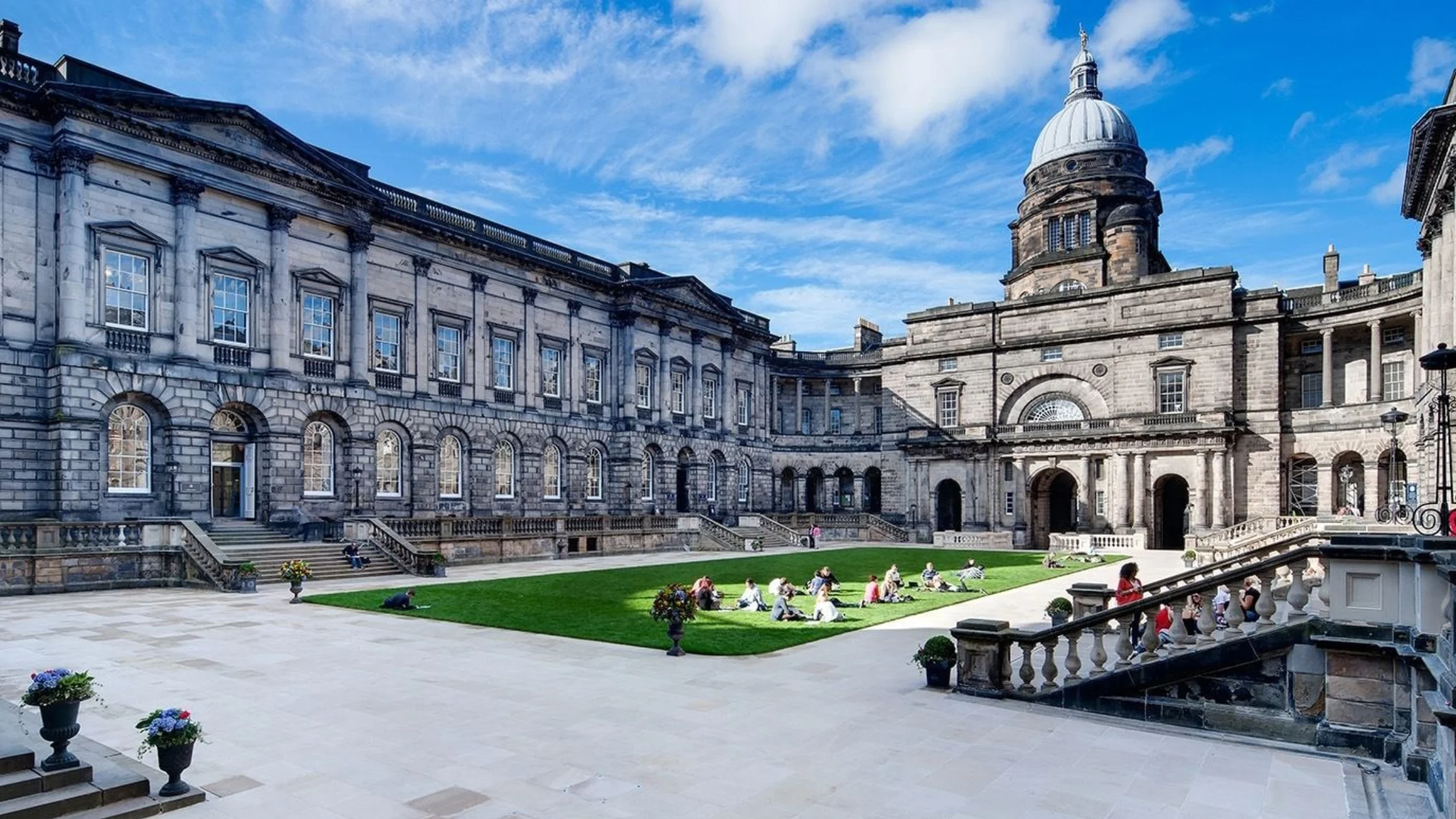
Which Program Level Fits You?
Kyoto University offers programmes across undergraduate and postgraduate levels. Availability varies by school and faculty.
| Program Level | Overview |
|---|---|
| Bachelor's (Undergraduate) | Undergraduate degrees across disciplines aligned with Kyoto University's academic strengths, including pathways related to Science, Medicine, Humanities, and research excellence. |
| Master's (Postgraduate Taught) | Taught master's programmes for students seeking specialised academic or professional advancement. |
| MBA / Professional Master's | Selected professional programmes (where offered) for career switchers and experienced applicants. |
| PhD (Research) | Research degrees supervised by faculty in active research groups, centres, and labs. |
Admission Requirements
Admission requirements vary by programme and level of study. Applicants typically need strong academics, proof of language proficiency, and programme-specific documents.
| Requirement | Typical Requirement |
|---|---|
| Academic Qualifications | Competitive academic record for the target programme level |
| Standardised Tests | SAT/ACT, GRE/GMAT, or local entrance exams where required by programme |
| English / Language Proficiency | TOEFL/IELTS for English-taught programmes, or JLPT for Japanese-taught programmes |
| Supporting Documents | Transcripts, statement of purpose / essays, recommendations, CV, and portfolio where applicable |
| Deadlines | Intake deadlines vary by programme - confirm the 2026–27 cycle on the official Kyoto University admissions pages |
Cost of Attendance
Tuition fees at Kyoto University vary by programme, level, and student fee status. Budget also for housing, food, health insurance, books, transport, and personal expenses in Kyoto. Always verify the latest fee schedule for 2026–27 on the official university website.
Scholarships & Financial Aid
Kyoto University and external funders may offer scholarships, fellowships, or need-based aid for eligible international students. Popular categories include:
- University merit scholarships and faculty awards
- Need-based financial aid (where available to international students)
- Research / teaching assistantships for eligible graduate students
- Government and external scholarships for study abroad
- Programme-specific fellowships and diversity awards
Scholarship competitiveness and eligibility vary by nationality, programme, and academic profile. Confirm deadlines early in the application cycle.
Campus Life & Student Experience
Students at Kyoto University typically benefit from academic societies, career services, and an international peer community in Kyoto. Highlights often include:
- Student clubs, societies, and cultural associations
- Libraries, labs, and learning spaces
- Career services, internships, and employer events
- International student support and orientation
- Sports, wellness, and recreation facilities
Campus culture and housing options vary by school and neighbourhood within Kyoto, Japan.
Research & Global Reputation
Kyoto University is recognised internationally for academic quality and research. Areas of note include:
- Strong academic reputation in Science, Medicine, Humanities, and research excellence
- Research centres, labs, and faculty-led projects
- International collaborations and exchange opportunities
- Alumni networks across industry, academia, and public service
- Career outcomes supported by university employability services
Rankings and reputation indicators change yearly - use them as one input alongside fit, cost, and outcomes.
Visa & Post-Study Work
International students admitted to Kyoto University generally require a Japanese Student Visa after receiving a Certificate of Eligibility. Graduates may transition to a work visa if they secure qualifying employment, subject to current Japanese immigration rules.
| Category | Information |
|---|---|
| Student Visa | International students generally require a Japanese Student Visa to study at Kyoto University. |
| Post-Study Work | Graduates typically change status to a work visa after securing qualifying employment; some may use designated activities status while job hunting, subject to current rules. |
How to Apply
Every study level follows a similar application process, although deadlines, admission criteria, and required documents vary by programme.
- Undergraduate - choose your programme — Shortlist programmes at Kyoto University that match your academic background and career goals.
- Undergraduate - submit your application — Apply through the university's undergraduate admissions process (often with EJU or equivalent).
- Undergraduate - upload documents — Submit transcripts, language scores, essays, and any programme-specific materials before the deadline.
- Postgraduate - apply online — Apply through the graduate school application process for your programme.
- Postgraduate - meet requirements and accept — Complete interviews or additional assessments if required, then accept your offer.
- Start your visa process — Begin your Certificate of Eligibility and Student Visa process.
FAQs About Studying Here
Is Kyoto University good for international students?
Yes. Kyoto University attracts students from many countries and offers internationally recognised degrees, with particular academic strength in Science, Medicine, Humanities, and research excellence.
Does Kyoto University offer scholarships for international students?
Many programmes offer scholarships, fellowships, or assistantships for eligible international students. Availability and competitiveness vary - check the official Kyoto University funding pages for the 2026–27 cycle.
What English language tests does Kyoto University accept?
Kyoto University commonly considers TOEFL/IELTS for English-taught programmes, or JLPT for Japanese-taught programmes. Exact minimum scores are programme-specific.
How do I apply to Kyoto University?
Undergraduate applicants typically apply through the university's undergraduate admissions process (often with eju or equivalent). Postgraduate applicants typically apply through the graduate school application process for your programme.
Can international students work after graduating from Kyoto University?
Graduates typically change status to a work visa after securing qualifying employment; some may use designated activities status while job hunting, subject to current rules.
What are popular programmes at Kyoto University?
Popular areas include Science, Medicine, Humanities, and research excellence, alongside other faculties depending on your level of study.
Get personalized study abroad advice
Chat with our AI advisor about this university guide - tailored to your profile.
Start conversation