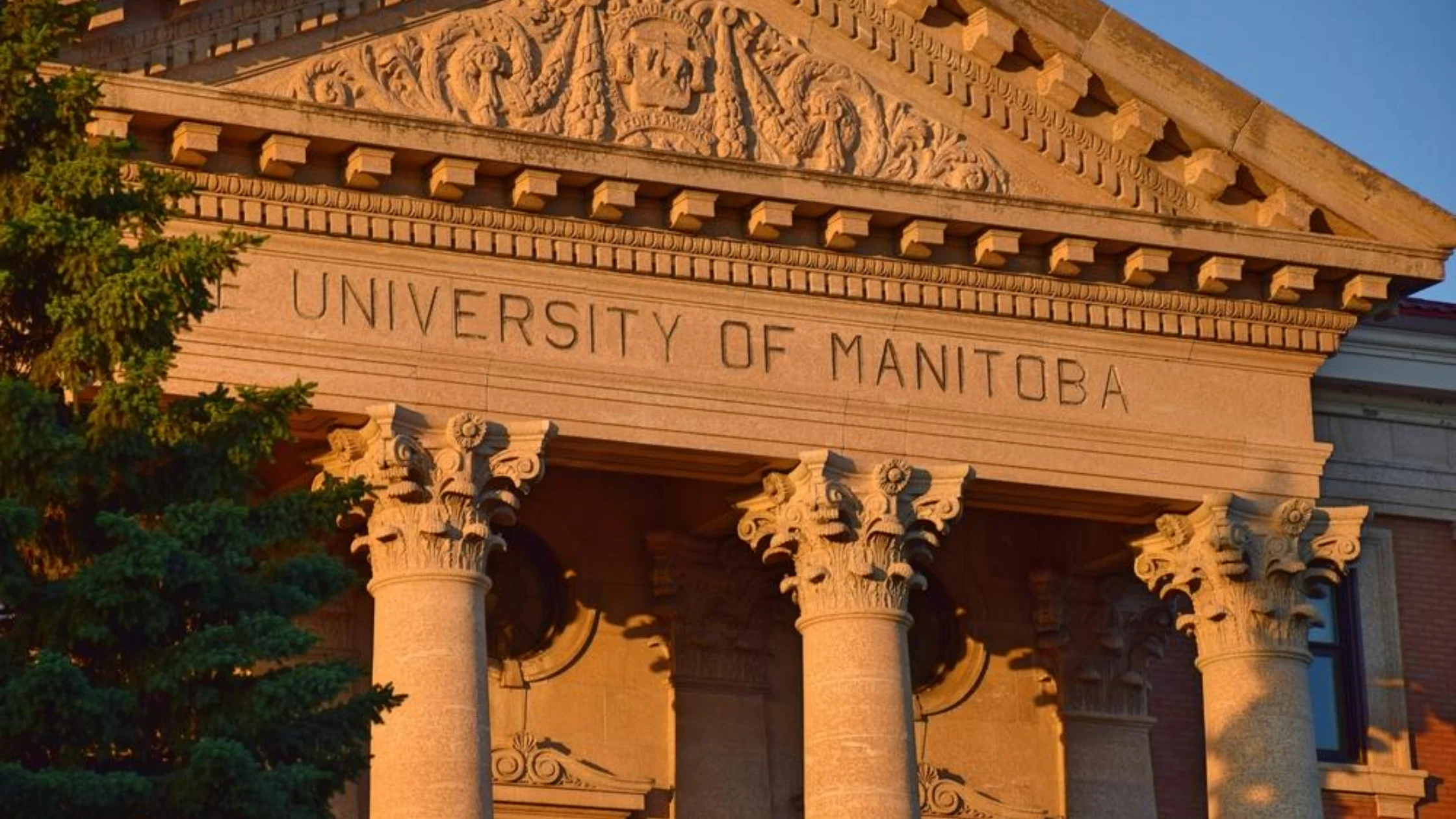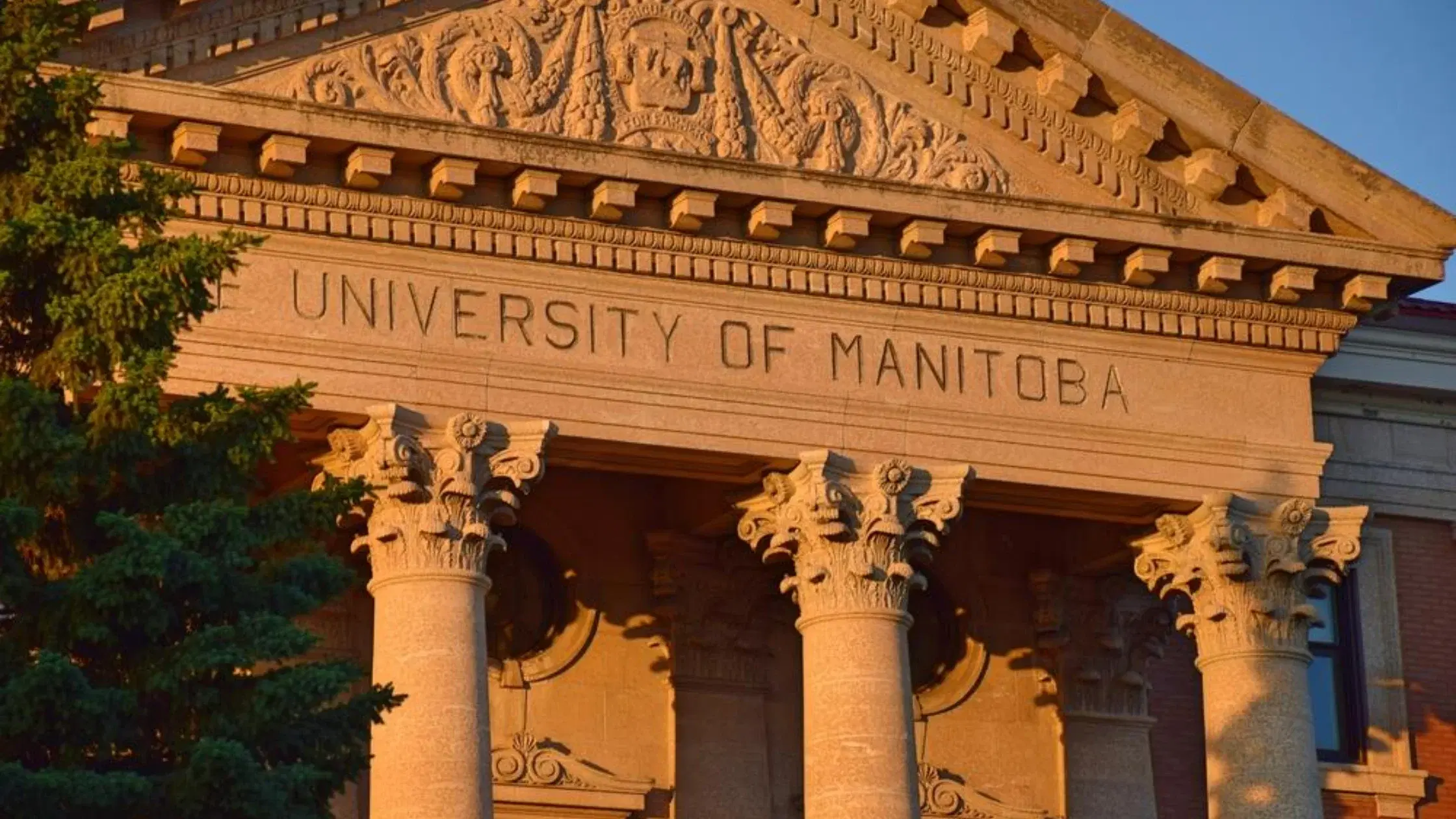
University of Manitoba for Indian students (2026–27)
Indian applicants to University of Manitoba typically plan around academics + English tests, proof of funds, and the Canada student visa timeline. Use this spoke for the India-focused path; the full university guide covers every section in depth.
Which Program Level Fits You?
The University of Manitoba offers undergraduate, postgraduate, professional, and research programmes across a wide range of disciplines.
| Program Level | Overview |
|---|---|
| Bachelor's (Undergraduate) | Undergraduate programmes in Computer Science, Engineering, Business, Agriculture, Data Science, Environmental Science, Psychology, Architecture, Biological Sciences, and more. |
| Master's (Postgraduate Taught) | Advanced master's programmes in Artificial Intelligence, Computer Science, Data Science, Engineering, Finance, Public Administration, Public Health, and more. |
| Professional Programmes | |
| Professional degrees in Medicine, Law, Pharmacy, Dentistry, Rehabilitation Sciences, and Architecture. | |
| PhD (Research) | Research-intensive doctoral programmes supported by internationally recognised faculty and leading research institutes. |
Admission Requirements
Admission requirements vary depending on the programme and level of study.
| Requirement | Typical Requirement |
|---|---|
| Academic Qualifications | Recognised secondary school certificate (Bachelor's) or relevant bachelor's degree (Master's) |
| GPA | Competitive academic record (graduate programmes generally require at least 3.0/4.5 or equivalent) |
| IELTS Academic | Generally 6.5 overall with no band below 6.0 |
| TOEFL iBT | Generally 86+ |
| Duolingo English Test | Accepted for eligible programmes |
| Other Requirements | |
| Academic transcripts, statement of purpose, CV/résumé (graduate), letters of recommendation, and programme-specific documents | Admission requirements vary by faculty and programme, and international applicants must also meet country-specific academic requirements. (University of Manitoba) |
Cost of Attendance
Tuition at the University of Manitoba varies depending on the programme and faculty. International students should also budget for: Tuition and university fees Accommodation and meals Health insurance Books and study materials Transportation Personal expenses Estimated annual expenses for international undergraduate students include: International tuition: approximately CAD $20,400–$29,700 Residence and meal plan: approximately CAD $10,000–$17,000 Books, supplies, and student fees: approximately CAD $3,500
Scholarships & Financial Aid
The University of Manitoba distributes more than CAD $40 million annually through scholarships, bursaries, and prizes. Many entrance scholarships do not require a separate application, and eligible students are automatically considered upon admission. Popular scholarship opportunities include:
- International Undergraduate Student Entrance Scholarship
- International Undergraduate Student Scholarship
- International Graduate Student Entrance Scholarship
- International Graduate Student Scholarship
- Graduate Fellowships
- Research Assistantships
- Teaching Assistantships
- Faculty-specific Scholarships
- International Student Bursaries
- External Government Scholarships
- For undergraduate entrance scholarships, students with qualifying averages may receive:
- 95% and above: CAD $3,000
- 90%–94.9%: CAD $2,000
- 85%–89.9%: CAD $1,000
Visa & Post-Study Work
International students generally require a Canadian Study Permit to study at the University of Manitoba. After graduation, eligible students may apply for the Post-Graduation Work Permit, allowing them to work in Canada for up to three years, depending on programme eligibility. This pathway provides valuable Canadian work experience and may support future permanent residency applications.
| Category | Information |
|---|---|
| Study Permit | International students generally require a Canadian Study Permit before beginning their studies. |
| Post-Graduation Work Permit (PGWP) | Eligible graduates may apply for the Post-Graduation Work Permit (PGWP), allowing them to gain valuable Canadian work experience, subject to current Canadian immigration regulations. |
Practical checklist for Indian applicants
- Confirm degree equivalence and transcript requirements for your target school
- Book IELTS/TOEFL/Duolingo early if your programme requires proof of English
- Model first-year cost of attendance before requesting an I-20 / CAS / admission letter
- Align education-loan or sponsor documents with visa financial proof rules
- Start the application 10–12 months before your target intake Ask StudyWhere AI for a profile-specific plan.
Get personalized study abroad advice
Chat with our AI advisor about this university guide - tailored to your profile.
Start conversation