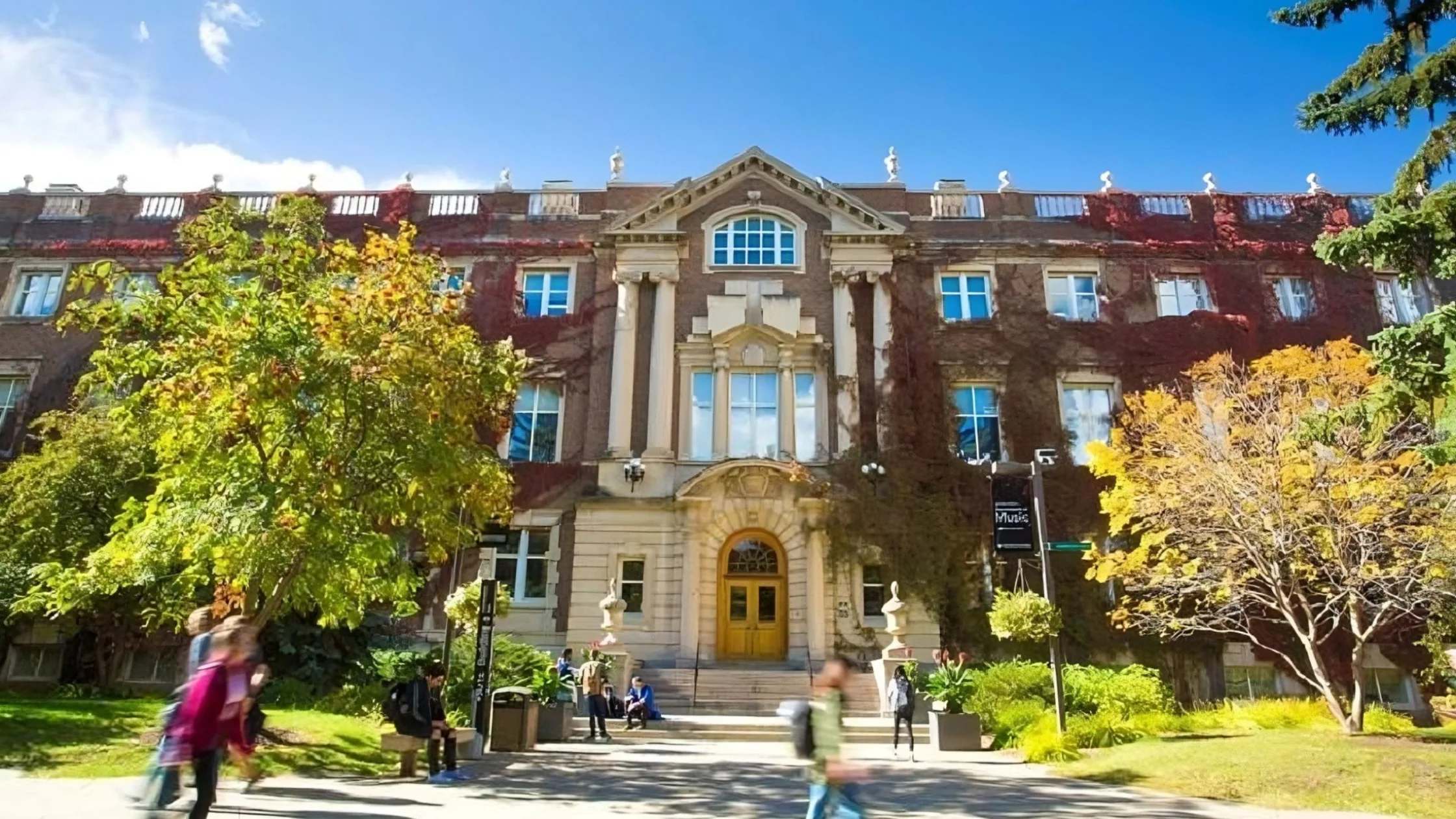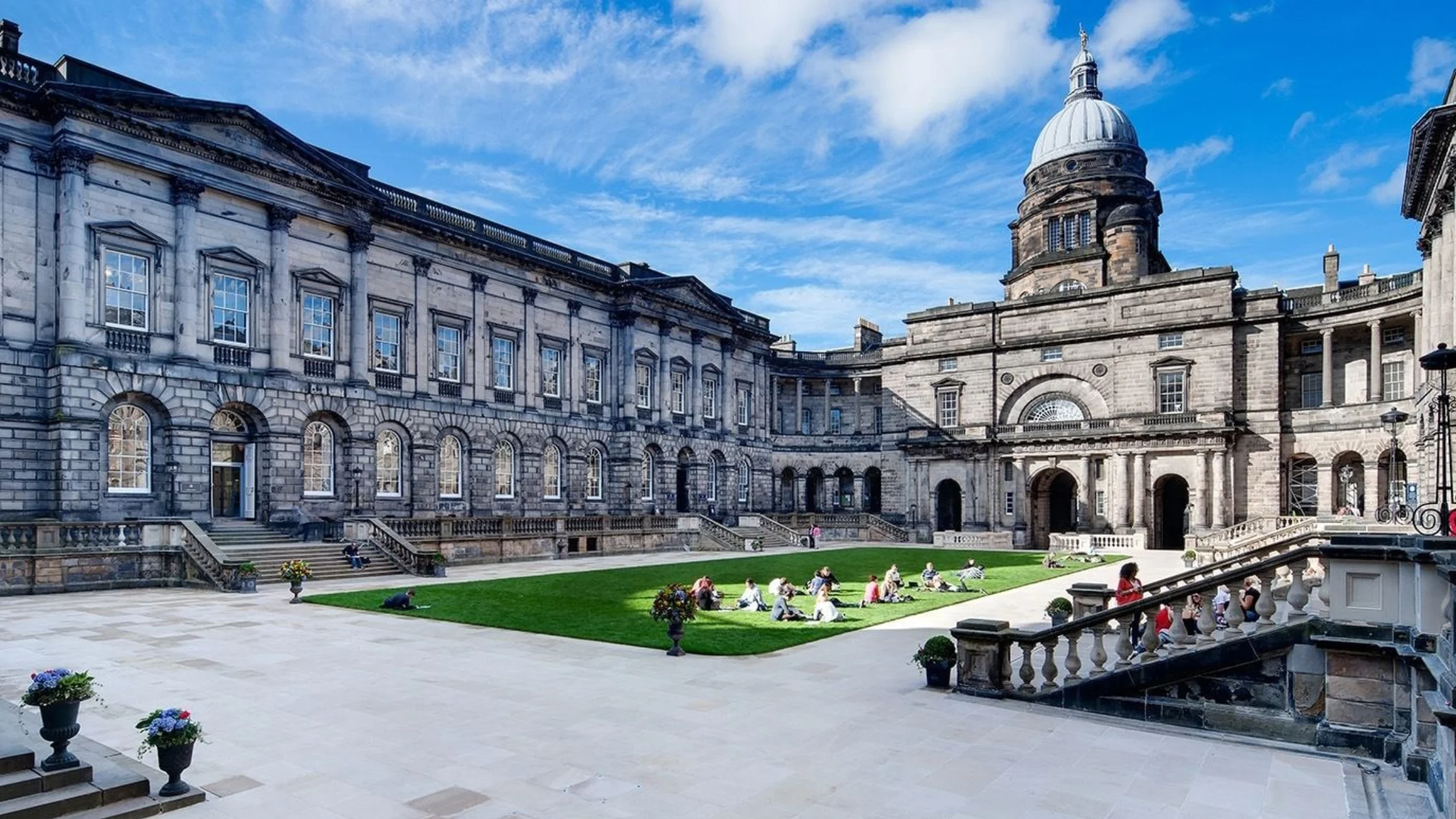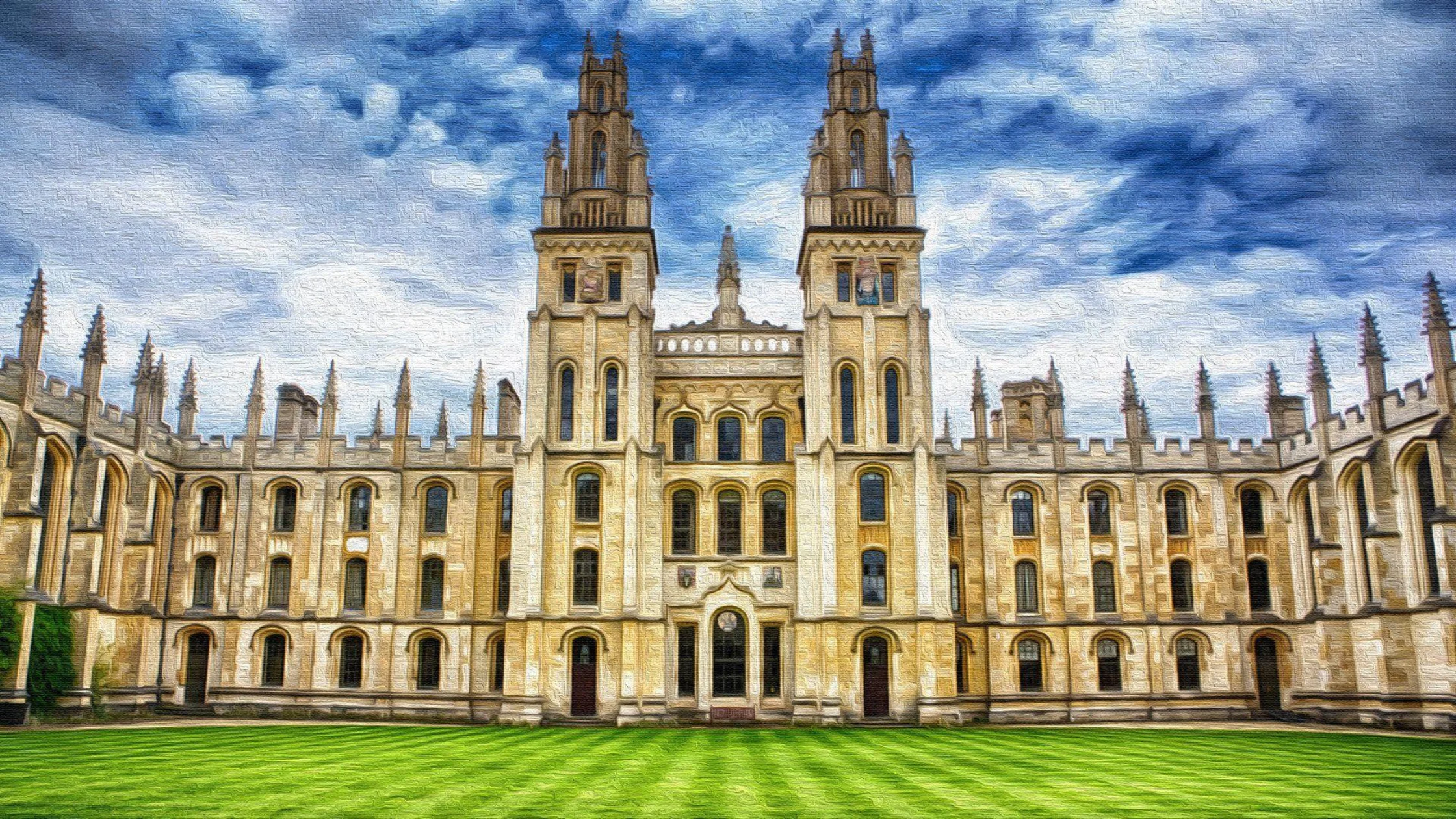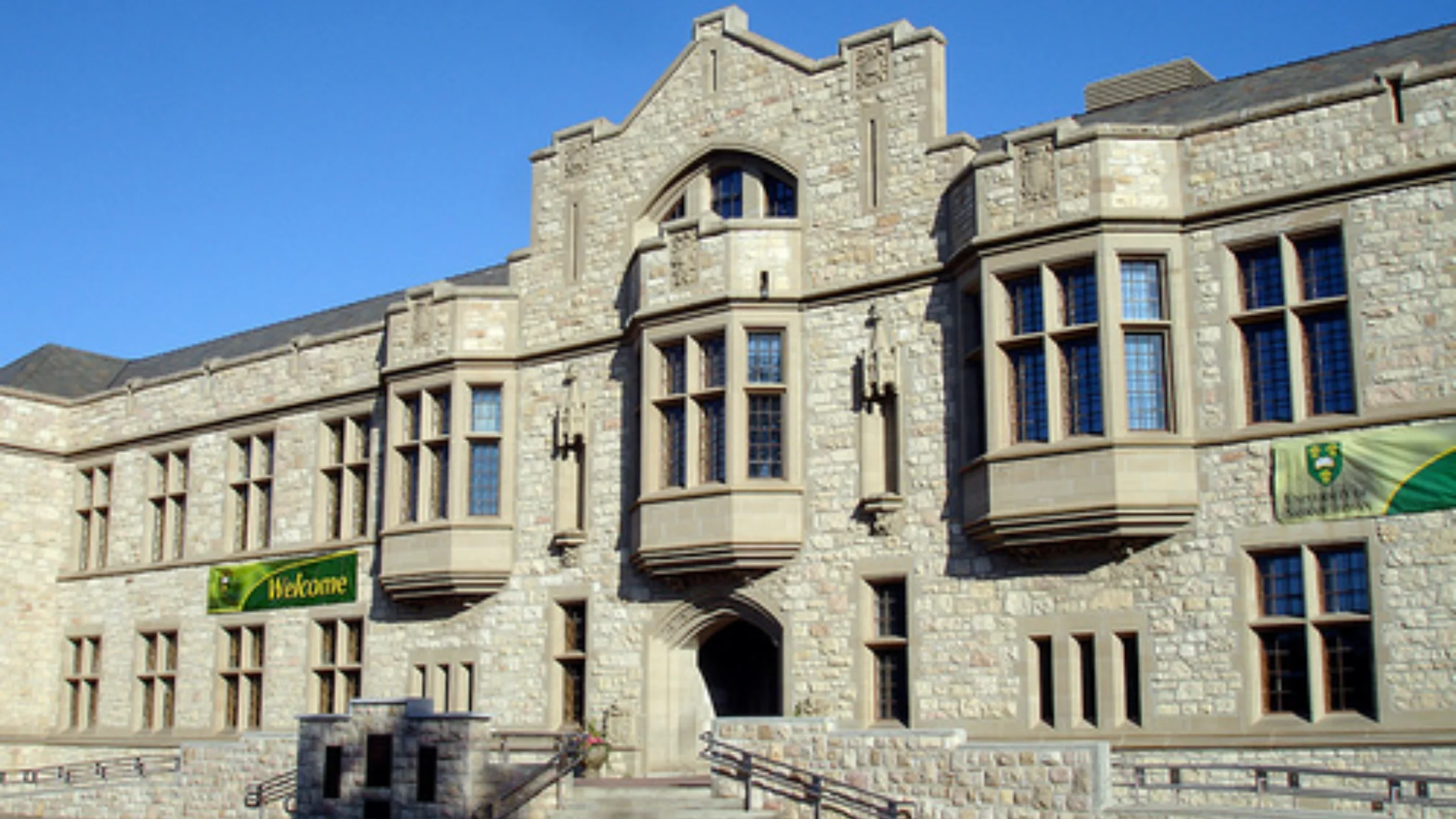
Founded in 1907, the University of Saskatchewan is one of Canada's leading public research universities and a proud member of the U15 Group of Canadian Research Universities. Located in Saskatoon, Saskatchewan, USask is internationally recognised for its excellence in research, innovation, and experiential learning. The university welcomes students from over 130 countries, creating a diverse and inclusive academic community. The University of Saskatchewan enrolls more than 26,000 students across undergraduate, graduate, and professional programs. It is particularly renowned for Computer Science, Artificial Intelligence, Engineering, Agriculture, Business, Health Sciences, Veterinary Medicine, Environmental Science, Data Science, and Indigenous Studies. With world-class research facilities, co-op opportunities, and strong industry partnerships, USask prepares graduates for successful careers both in Canada and internationally. Whether you're planning to pursue a bachelor's degree, master's programme, MBA, or PhD, this guide provides an overview of University of Saskatchewan admissions, available programmes, scholarships, admission requirements, and career opportunities for international students.
| Label | Value |
|---|---|
| Location | Saskatoon, Saskatchewan |
| Program Levels | UG · Master's · MBA · PhD |
Which Program Level Fits You?
The University of Saskatchewan offers undergraduate, postgraduate, professional, and research programmes across numerous disciplines.
| Program Level | Overview |
|---|---|
| Bachelor's (Undergraduate) | Undergraduate programmes in Computer Science, Engineering, Agriculture, Business, Data Science, Biology, Environmental Science, Psychology, Kinesiology, and more. |
| Master's (Postgraduate Taught & Research) | Advanced master's programmes in Artificial Intelligence, Computer Science, Engineering, Business Administration (MBA), Public Health, Finance, Agriculture, and more. |
| Professional Programmes | |
| Professional degrees in Medicine, Dentistry, Pharmacy, Veterinary Medicine, Law, Nursing, and Education. | |
| PhD (Research) | Research-intensive doctoral programmes supported by internationally recognised faculty and leading research centres. |
Admission Requirements
Admission requirements vary depending on the programme and level of study.
| Requirement | Typical Requirement |
|---|---|
| Academic Qualifications | Recognised secondary school certificate (Bachelor's) or relevant bachelor's degree (Master's) |
| GPA | Competitive academic record (graduate programmes generally require at least 70% or equivalent in the last two years of study) |
| IELTS Academic | 6.5 overall with no band below 6.0 |
| TOEFL iBT | 86+ (or updated equivalent requirements) |
| Duolingo English Test | 120+ |
| PTE Academic | 63+ |
| Other Requirements | |
| Academic transcripts, statement of purpose, CV/résumé (graduate), letters of recommendation, and programme-specific documents | International applicants must also meet faculty-specific admission requirements and satisfy the university's English language proficiency policy. (admissions) |
Cost of Attendance
Tuition at the University of Saskatchewan varies depending on the programme and faculty. International students should also budget for: Tuition and university fees Accommodation and meals Health insurance Books and study materials Transportation Personal expenses For many undergraduate programmes, international tuition ranges from approximately CAD $30,000–$45,000 per year, depending on the faculty. Living in Saskatoon is generally more affordable than studying in cities such as Toronto or Vancouver, making USask an attractive option for international students.
Scholarships & Financial Aid
The University of Saskatchewan offers numerous entrance scholarships, graduate funding opportunities, and research awards for international students. Popular scholarship opportunities include:
- USask International Excellence Awards
- University of Saskatchewan Entrance Scholarships
- Best and Brightest Entrance Scholarships
- Guaranteed Entrance Scholarships
- International Student Awards
- Graduate Fellowships
- Research Assistantships
- Teaching Assistantships
- College-specific Scholarships
- External Government Scholarships
- Outstanding undergraduate applicants are automatically considered for many entrance scholarships, while graduate students may receive funding through assistantships, fellowships, and supervisor-supported research grants
Campus Life & Student Experience
The University of Saskatchewan offers a welcoming and vibrant student experience. Students benefit from:
- More than 130 student clubs and societies
- Modern laboratories and research facilities
- Career counselling and co-op opportunities
- Entrepreneurship and innovation support
- Undergraduate research experiences
- Varsity athletics and recreation facilities
- International exchange programmes
- On-campus residence options
Located in Saskatoon, students enjoy an affordable cost of living, a safe community, and growing opportunities in technology, agriculture, healthcare, mining, and environmental industries.
Research & Global Reputation
The University of Saskatchewan is internationally recognised for research excellence and innovation. Highlights include:
- Member of the prestigious U15 Group of Canadian Research Universities
- Strong research in Artificial Intelligence, Agriculture, Data Science, Climate Change, Water Security, Health Sciences, Engineering, Energy, and Indigenous Research
- Home to internationally recognised facilities including the Canadian Light Source Synchrotron, Canada's only synchrotron research facility
- Home to the Edwards School of Business, College of Engineering, College of Agriculture and Bioresources, and Western College of Veterinary Medicine
- Strong partnerships with organisations including Nutrien, Cameco, Siemens, IBM, Saskatchewan Health Authority, Innovation Saskatchewan, and the Government of Canada
- Excellent graduate employability supported by internships, co-op education, applied research, and employer partnerships
Visa & Post-Study Work
International students generally require a Canadian Study Permit to study at the University of Saskatchewan. After graduation, eligible students may apply for the Post-Graduation Work Permit, allowing them to work in Canada for up to three years, depending on the length and eligibility of their programme. This pathway can provide valuable Canadian work experience and may support future permanent residency applications.
| Category | Information |
|---|---|
| Study Permit | International students generally require a Canadian Study Permit before beginning their studies. |
| Post-Graduation Work Permit (PGWP) | Eligible graduates may apply for the Post-Graduation Work Permit (PGWP), allowing them to gain valuable Canadian work experience, subject to current Canadian immigration regulations. |
How to Apply
Every study level follows a similar application process, although deadlines, admission criteria, and required documents vary depending on the programme.
- Undergraduate — choose your programme — Choose your preferred programme. Apply through the University of Saskatchewan Online Application Portal.
- Undergraduate — submit documents — Submit academic transcripts and supporting documents. Meet English language proficiency requirements. Receive your admission decision.
- Undergraduate — accept your offer — Apply for scholarships and complete your Canadian Study Permit application. (admissions).
- Postgraduate — apply online — Apply through the USask Graduate Studies application portal. Submit academic transcripts and programme-specific documents.
- Postgraduate — meet requirements and accept — Meet English language and departmental admission requirements. Receive your admission decision. Apply for your Canadian Study Permit.
- Begin your Canadian study permit process — After accepting your offer, begin your Canadian study permit process.
FAQs About Studying Here
Is the University of Saskatchewan good for international students?
Yes. The University of Saskatchewan is one of Canada's leading research universities, offering internationally recognised degrees, world-class research facilities, strong industry partnerships, and excellent graduate employability.
Does the University of Saskatchewan offer scholarships for international students?
Yes. USask offers International Excellence Awards, Guaranteed Entrance Scholarships, Best and Brightest Scholarships, graduate fellowships, research assistantships, teaching assistantships, and faculty-specific funding opportunities.
What English language tests does the University of Saskatchewan accept?
The university accepts IELTS Academic, TOEFL iBT, Duolingo English Test, PTE Academic, CAEL, and several other recognised English language proficiency tests.
How do I apply to the University of Saskatchewan?
Applicants apply directly through the University of Saskatchewan Online Application Portal, submitting academic transcripts, proof of English proficiency, and programme-specific documents.
Can international students work after graduating from the University of Saskatchewan?
Yes. Eligible graduates may apply for the Post-Graduation Work Permit, allowing them to work in Canada for up to three years, depending on programme eligibility.
Does the University of Saskatchewan provide career support?
Yes. The University of Saskatchewan offers career counselling, co-op education, internships, employer networking events, entrepreneurship support, and research opportunities. Its strong partnerships with industry and government help graduates build successful careers across technology, engineering, agriculture, healthcare, environmental science, and business.
Get personalized study abroad advice
Chat with our AI advisor about this university guide — tailored to your profile.
Start conversation